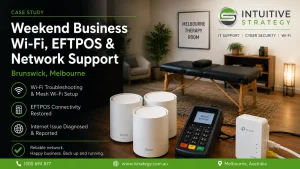
Weekend Business Wi-Fi, EFTPOS & Network Support in Melbourne
A Brunswick therapy practice needed urgent weekend help with slow Wi-Fi, a misconfigured Deco mesh system, EFTPOS connectivity and website access issues. We simplified the network, restored reliable coverage and isolated a separate Aussie Broadband DNS issue.
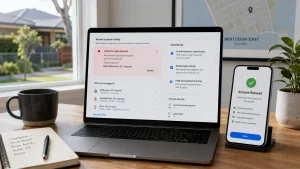
Facebook Account Hacked? How We Helped a Bentleigh East Client Secure Their Accounts
A client in Bentleigh East contacted us after becoming concerned that their Facebook account and primary Mac computer may have been compromised.
They had noticed that their profile picture had changed unexpectedly, along with inflammatory Facebook comments being posted to other people from their account. Understandably, they wanted to know whether someone had gained access to their Mac, Facebook profile or other important online accounts.
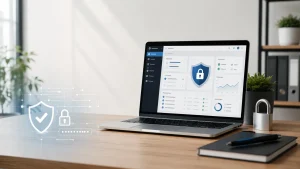
WordPress Website Security Checklist for Small Businesses
A practical WordPress website security checklist for small businesses, covering plugin updates, backups, MFA, admin access, hosting, DNS, email security and incident response. Learn how to reduce the risk of your website being hacked, blacklisted, defaced or used to send spam.

UniFi Wi-Fi Speed & Drop-Out Issues in a Large Kew East Home
We were recently called out to a large home in Kew East where the client was experiencing slow Wi-Fi speeds, drop-outs and inconsistent performance across the house.
The home already had a fairly serious network setup installed, including four UniFi access points connected back to an enterprise 16-port Ubiquiti Edge PoE+ switch. The internet connection was with Aussie Broadband, and the main router being used was an Eero router.
On paper, the home had the right idea: multiple access points, wired backhaul and business-grade networking equipment. But the way the Wi-Fi was configured was causing problems.